Which Mediterranean Foods Help Slow Macular Degeneration?
Specific foods within a Mediterranean-style diet are strongly associated with lower risk and slower progression of age-related macular degeneration (AMD), especially when they replace highly processed, high‑sugar, and high‑fat “Western” foods (1–4). The most consistently beneficial items are dark leafy greens, colourful vegetables and fruits, oily fish, extra‑virgin olive oil, nuts, legumes, and whole grains, eaten together as a regular pattern rather than as occasional add‑ons (1–6).
How the Mediterranean Pattern Supports the Macula
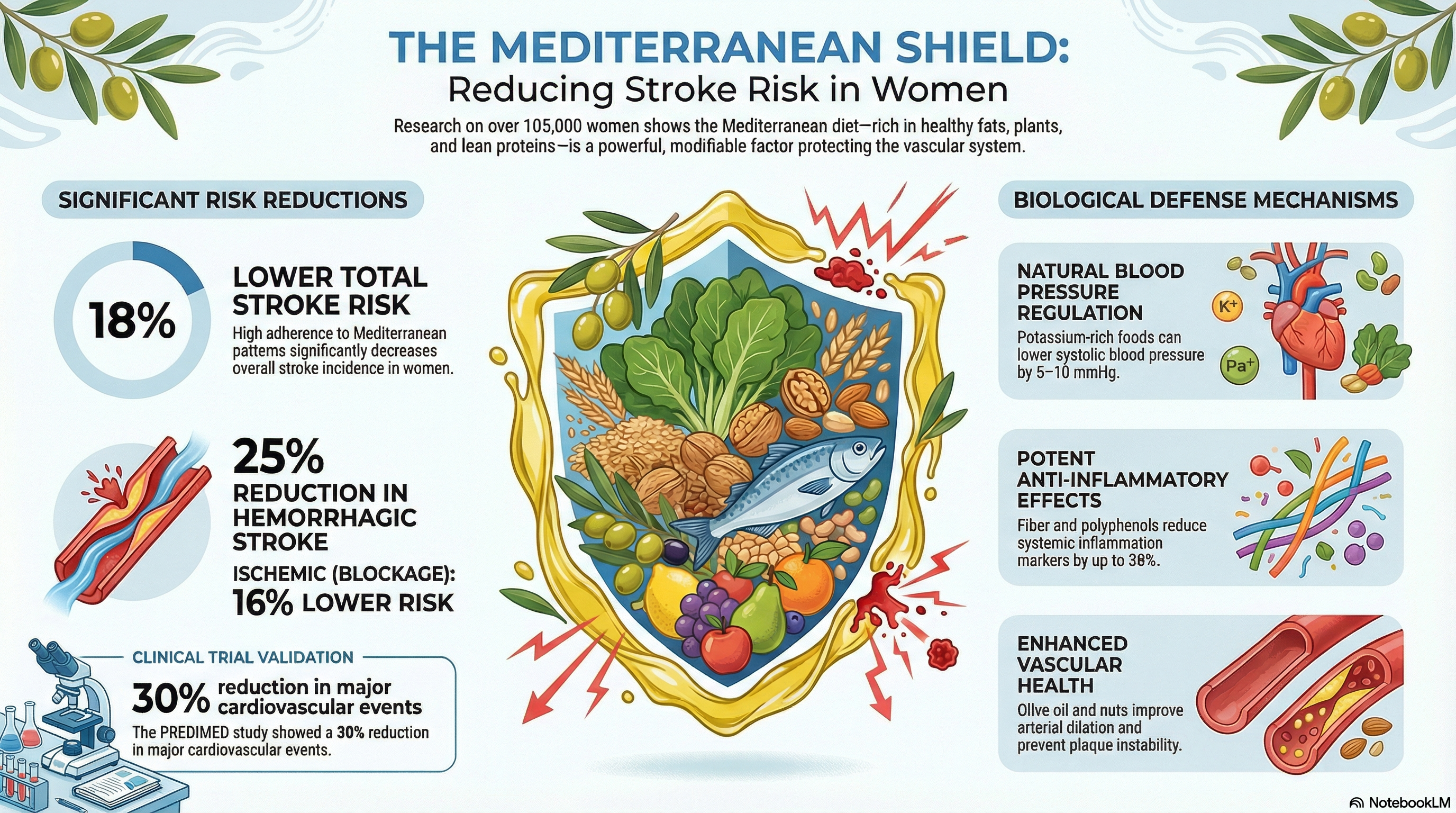
The Mediterranean diet emphasizes plant‑based foods, healthy fats, and minimally processed ingredients, which together provide antioxidants, macular carotenoids, omega‑3 fatty acids, and polyphenols that protect the retina from oxidative stress and inflammation (1–3,5). Several large cohort studies—including AREDS/AREDS2 secondary analyses—show that higher “Mediterranean diet scores” correlate with a 20–30% lower risk of progressing to late AMD, independent of age and common AMD risk genes (2–4).
This protective effect appears to come from the overall pattern, but certain food groups repeatedly stand out in AMD‑focused analyses: leafy greens (lutein/zeaxanthin), fish (omega‑3s), olive oil (monounsaturated fat and polyphenols), nuts, legumes, and whole grains (1–4,6).
Key Mediterranean Foods for AMD
Dark leafy greens and other carotenoid‑rich vegetables
Dark green vegetables are the most concentrated dietary source of lutein and zeaxanthin, the carotenoids that form macular pigment and filter blue light (3,5). Higher intake of these carotenoids is linked to greater macular pigment optical density and lower risk of AMD progression (2,3,5).
Helpful foods include:
- Spinach, kale, collard greens, Swiss chard, broccoli rabe
- Other green vegetables such as broccoli, Brussels sprouts, and peas
Brightly coloured vegetables add additional antioxidants:
- Orange/yellow vegetables: carrots, pumpkin, butternut squash, sweet potatoes
- Red/orange peppers and tomatoes rich in vitamin C, beta‑carotene, and lycopene (3,5)
Regularly incorporating these foods—aiming for at least one large serving of dark greens most days—supports macular pigment and antioxidant defences.
Oily fish and seafood
Oily fish provide long‑chain omega‑3 fatty acids (EPA and DHA), important structural components of photoreceptor membranes and modulators of inflammation (1–3). Multiple prospective studies show that eating fish at least once or twice per week is associated with a significantly lower risk of both early and late AMD (2–4,7).
Particularly helpful options:
- Salmon, trout, mackerel, herring, sardines, anchovies
- Shellfish such as mussels or oysters, which also provide zinc (3,5)
Replacing red or processed meats with grilled, baked, or stewed fish is more beneficial than adding fish on top of a Western‑style pattern (1–3).
Extra‑virgin olive oil
Extra‑virgin olive oil (EVOO) is the main added fat in a Mediterranean diet and is rich in monounsaturated fat and polyphenols with antioxidant and anti‑inflammatory effects (3,4). In a large French cohort, higher olive‑oil consumption was associated with a significantly lower prevalence of late AMD, even after adjusting for other dietary factors (4).
Use EVOO for:
- Dressing salads and vegetables
- Light sautéing of fish, legumes, and greens
- Replacing butter, margarine, or highly refined seed oils when possible (3,4)
Nuts and seeds
Nuts and seeds contribute healthy fats, vitamin E, and polyphenols and are associated with reduced AMD risk when eaten regularly (1–3,7). One prospective study found that people who ate nuts at least once a week had about 30–35% lower risk of early AMD compared with those who rarely ate nuts (7).
Beneficial choices:
- Walnuts (also provide plant omega‑3 ALA)
- Almonds, hazelnuts, pistachios
- Sunflower, pumpkin, and flax seeds (3,5)
A small handful (about 30 g) most days, instead of sugary snacks or chips, fits well within Mediterranean patterns.
Legumes and whole grains
Legumes and whole grains supply low‑glycaemic carbohydrates, fibre, and micronutrients, helping avoid blood‑sugar spikes that have been linked to higher AMD risk (2,3). Diets with lower glycaemic index are associated with less progression to advanced AMD in observational analyses (2,3).
AMD‑friendly examples:
- Lentils, chickpeas, black beans, kidney beans
- Whole‑grain bread, oats, barley, brown rice, bulgur, quinoa
These foods also support cardiovascular health, which is important because vascular disease and AMD share risk factors (1–3).
Eggs and dairy (in moderation)
Egg yolks contain highly bioavailable lutein and zeaxanthin in a fat matrix that enhances absorption (3,5). Studies show that moderate egg intake can increase macular pigment without significantly affecting blood lipids in most individuals, especially when part of a Mediterranean pattern (3,5).
Low‑fat or fermented dairy (for example yogurt) appears neutral or mildly beneficial, whereas high intakes of full‑fat dairy typical of Western diets may be less favourable (2,3).
Foods to Limit in an AMD‑Friendly Mediterranean Pattern
The protective effect of Mediterranean eating is stronger when “protective” foods replace rather than simply supplement less healthy items (1–3,6). For AMD, it is particularly helpful to limit:
- Processed and red meats (sausages, bacon, deli meats, burgers), which are associated with higher AMD risk in several cohorts (2,3,6).
- Refined grains and sugary foods (white bread, pastries, sweets, sugar‑sweetened beverages) that contribute to high glycaemic load and have been linked to faster AMD progression (2,3).
- Trans‑fats and highly processed snacks (commercial baked goods, deep‑fried fast food), which increase systemic inflammation and may worsen vascular and retinal health (1–3).
- Excess alcohol, particularly heavy drinking; modest wine intake with meals appears neutral or modestly protective, but data are mixed (1–3).
Putting It Together in Everyday Eating
A practical AMD‑supportive Mediterranean day might include (1–3,5):
- Breakfast: Oatmeal with berries and walnuts, or whole‑grain toast with sautéed spinach and a poached egg, drizzled with olive oil.
- Lunch: Mixed‑bean and vegetable soup with whole‑grain bread, or a large salad (kale, romaine, peppers, tomatoes) topped with grilled salmon and olive‑oil–lemon dressing.
- Dinner: Baked trout or sardines with roasted vegetables (broccoli, carrots, squash) and a side of quinoa or brown rice cooked in vegetable stock and olive oil.
- Snacks: A handful of nuts, carrot sticks with hummus, or fruit with yogurt instead of chips, candy, or pastries.
These choices align closely with what AMD‑focused Mediterranean diet studies consider “high adherence,” which is where risk reduction is most evident (3,4,6).
FAQs
Are supplements enough, or do I still need Mediterranean foods?
AREDS2 supplements help reduce progression from intermediate to advanced AMD but do not replace the benefits of a high‑quality Mediterranean diet; studies show diet quality and supplements provide additive protection (1–4).
Do I have to eat fish if I dislike it?
Fish appears especially beneficial, but if you cannot eat it, focus on plant omega‑3 sources (walnuts, flax, chia) and discuss marine‑omega‑3 supplements with your clinician; evidence for supplements is less consistent than for fish itself (2,3).
How strictly do I need to follow the diet to see benefits?
Even moderate adherence (for example scoring in the middle tertile of Mediterranean diet indices) is associated with lower AMD risk vs low adherence, but the largest risk reductions occur in those with the highest adherence scores (3,4).
Can I still eat meat?
Yes, but ideally small amounts of lean poultry and only occasional red or processed meats, with fish, legumes, and plant proteins as the main protein sources (1–3).
Does this pattern help if I already have advanced AMD?
Evidence is strongest for preventing progression from early/intermediate disease, but Mediterranean eating supports cardiovascular and overall ocular health and is still recommended; it may also protect the fellow eye if only one eye is advanced (1–4,6).
This article is for educational purposes only and does not replace personalized medical advice from your eye‑care professional.
References:
- Raimundo M, Mira F, Cachulo ML, et al. Nutritional and lifestyle interventions for age-related macular degeneration: a review. Oxid Med Cell Longev. 2017;2017:6469138.
- Merle BMJ, Silver RE, Rosner B, Seddon JM. Role of diet and food intake in age-related macular degeneration: a systematic review. Clin Exp Ophthalmol. 2019;47(2):106‑127.
- Gkatzionis A, et al. The Mediterranean diet and age-related eye diseases. Nutrients. 2023;15(9):2034.
- García-Layana A, Cabrera-López F, et al. Mediterranean diet as a modifiable risk factor for age-related macular degeneration: a systematic review and meta-analysis. Oman J Ophthalmol. 2023;16(3):163‑174.
- Adherence to the Mediterranean-style eating pattern and macular degeneration. J Acad Nutr Diet. 2022;122(8):1460‑1473.
- Merle BMJ, Colijn JM, Cougnard-Grégoire A, et al. Mediterranean diet and progression of dry age-related macular degeneration. Nutrients. 2023;15(13):2861.
- Chong EW, Robman LD, Simpson JA, et al. Eating fish, nuts and olive oil and the risk of age-related macular degeneration. Arch Ophthalmol. 2009;127(6):758‑766.

Leave a comment
This site is protected by hCaptcha and the hCaptcha Privacy Policy and Terms of Service apply.